
Federal Internet & Technology Crimes
Defense for Cybercrime and Computer-Related Charges in Federal Court
As technology has rapidly evolved, so too has federal law enforcement's focus on internet-based and computer-related crimes. Federal agencies such as the FBI, Department of Justice (DOJ), and U.S. Secret Service aggressively investigate and prosecute individuals and organizations accused of committing crimes using the internet, digital networks, or any form of information technology. These cases—often called “cybercrimes”—carry severe penalties, complex digital evidence, and substantial federal resources backing the prosecution.
If you or someone you know is under investigation or has been charged with a federal internet or technology crime, it is critical to act quickly and contact a defense lawyer with proven experience in federal court and a deep understanding of cyber-related statutes. Attorney Josh Tomsheck, a nationally board-certified criminal trial lawyer, leads the federal defense practice at Hofland & Tomsheck and has successfully defended clients in highly technical and complex federal cases across the country.
What are Federal Internet & Technology Crimes?
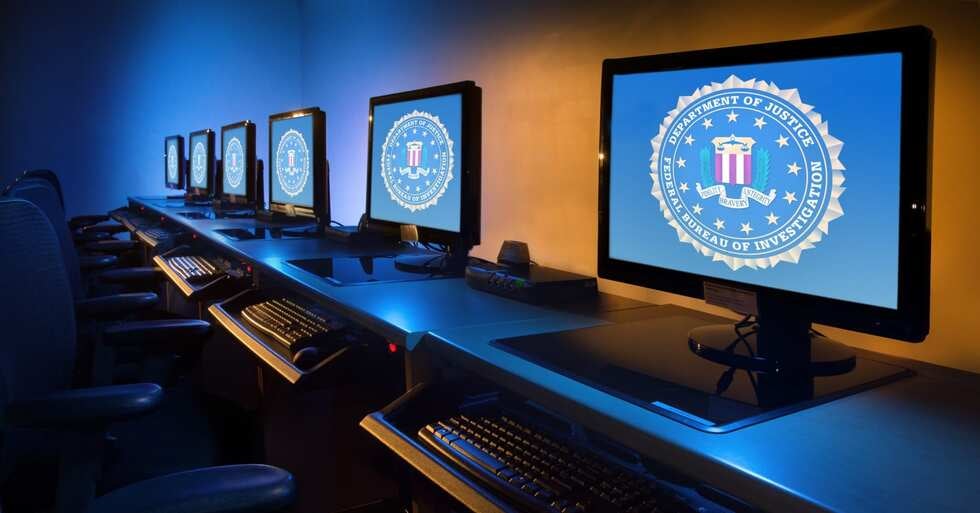
Federal internet and technology crimes include a wide range of offenses involving the use of computers, networks, or the internet to commit illegal acts. These offenses are governed by various statutes under Title 18 of the United States Code and are frequently prosecuted in U.S. District Courts nationwide.
Some of the most commonly charged federal cybercrimes include:
- Computer Hacking – Unauthorized access to computers or networks (18 U.S.C. § 1030 – Computer Fraud and Abuse Act)
- Wire Fraud – Use of the internet or email to further a fraudulent scheme (18 U.S.C. § 1343)
- Identity Theft – Unlawful use of another person's personal information (18 U.S.C. § 1028)
- Access Device Fraud – Possession or use of stolen credit cards, PINs, or account credentials (18 U.S.C. § 1029)
- Possession or Distribution of Child Pornography (18 U.S.C. § 2252 & § 2252A)
- Sexual Exploitation of Minors via the Internet (18 U.S.C. § 2422(b), § 2423(b), and § 1591)
- Cyberstalking and Online Harassment (18 U.S.C. § 2261A)
- Intellectual Property Violations – Including software piracy and copyright infringement (17 U.S.C. §§ 506, 1201)
- Internet Drug Sales or Dark Web Offenses – Distribution of controlled substances through online platforms (21 U.S.C. § 841)
Each of these statutes carries potential felony charges, lengthy prison sentences, and significant financial penalties, including restitution and asset forfeiture.
Agencies Involved in Federal Cybercrime Prosecutions
Federal internet and technology crimes are often investigated by specialized units within powerful government agencies, including:
- Federal Bureau of Investigation (FBI) Cyber Division
- U.S. Secret Service Electronic Crimes Task Force
- Homeland Security Investigations (HSI)
- U.S. Postal Inspection Service (USPIS)
- Department of Justice's Computer Crime and Intellectual Property Section (CCIPS)
These agencies often work together through joint task forces, using high-level digital forensics, subpoenas for IP records and data logs, and advanced surveillance tools to build a case before a defendant is even aware they are under investigation.
Why Are These Cases So Complex?
Internet and technology crimes often involve digital evidence collected across multiple jurisdictions, including international borders. These cases may include:
- Seized email and chat logs
- IP address tracking
- Data stored in the cloud or on encrypted servers
- Information obtained through warrants to ISPs or tech companies
- Forensic imaging of computers, hard drives, phones, or tablets
Federal prosecutors often use digital experts, computer forensic analysts, and government tech consultants to present this evidence in court. Defending against these allegations requires an attorney who not only understands the federal criminal justice system, but also the underlying technology, digital evidence, and data privacy issues.
Penalties for Federal Technology Crimes
The punishment for federal internet crimes can be extreme. Many statutes carry mandatory minimum sentences, especially when crimes involve:
- Sexual exploitation of minors
- Large-scale financial fraud
- Repeat offenses
- Use of encryption or anonymizing technology (which can be viewed as an aggravating factor)
For example:
- Wire fraud under 18 U.S.C. § 1343 carries up to 20 years in prison per count.
- Access device fraud under 18 U.S.C. § 1029 carries up to 10 to 20 years, depending on the offense.
- Possession of child pornography under 18 U.S.C. § 2252A can carry 5 to 20 years, depending on prior record and circumstances.
- Attempted enticement of a minor under 18 U.S.C. § 2422(b) carries a 10-year mandatory minimum and up to life in prison.
In addition to prison, those convicted may face:
- Lifetime sex offender registration
- Forfeiture of computers and assets
- Supervised release conditions
- Bans on internet access or use of technology
- Immigration consequences for non-citizens
How Josh Tomsheck Defends Federal Cybercrime Cases
Attorney Josh Tomsheck has extensive experience in both prosecution and defense of complex digital crime cases in federal court. A former Chief Deputy District Attorney and now a nationally respected criminal defense attorney, he understands how federal agencies build cybercrime cases and how to dismantle them with strategic, aggressive defense tactics.
Common Defenses in Federal Internet Crime Cases:
- Lack of Intent – Many technology crimes require proof that the defendant knowingly or intentionally engaged in the conduct.
- Mistaken Identity or IP Spoofing – Someone else may have used your network, or your IP address may have been misidentified.
- Illegal Search or Seizure – Evidence obtained without a proper warrant or outside the scope of a warrant may be suppressed.
- Entrapment – Particularly common in sting operations involving sex offenses or darknet activities.
- Insufficient Evidence – Digital evidence is only as good as the chain of custody and technical analysis behind it.
Josh Tomsheck routinely partners with top-tier digital forensic experts to challenge the government's claims, test the reliability of their evidence, and present compelling defenses in court.
Early Action Is Critical in Federal Cybercrime Cases
In many internet and computer crime cases, the investigation phase can last months or even years before an arrest is made. If you've been contacted by federal agents, subpoenaed for records, or had devices seized, you may already be the target of a federal investigation.
Do not wait until charges are filed. Having an experienced federal criminal defense lawyer intervene early may lead to:
- Avoiding charges entirely
- Limiting the scope of any search or seizure
- Preserving exculpatory digital evidence
- Entering into pre-charge negotiations
- Reducing your risk of mandatory minimum sentencing
Work with a Federal Criminal Defense Attorney Who Understands the Technology
At NVFederalDefense.com, we understand that federal cybercrime allegations can be devastating—personally, professionally, and financially. These charges often carry a presumption of guilt in the eyes of the public and are prosecuted by skilled federal attorneys with vast resources.
That's why you need a defense lawyer who knows how to fight back.
Attorney Josh Tomsheck has handled cases involving:
- International hacking schemes
- Deep web marketplaces
- Online fraud and cryptocurrency transactions
- Alleged attempts to exploit minors through digital platforms
- Unauthorized access to financial systems and databases
Whether you're facing a sealed indictment, have been contacted by agents, or are already charged in U.S. District Court, Josh Tomsheck and the team at Hofland & Tomsheck are ready to protect your freedom and your future.
Contact Our Office Today
🚨 Federal internet and technology crimes require serious, sophisticated defense. If you are under investigation or have been charged with a cyber-related offense, contact our office immediately.
📞 Call 702-895-6760 to speak directly with attorney Josh Tomsheck or request a confidential consultation online. We are available 24/7 to protect your rights—before, during, and after federal charges are filed.


