
Federal Criminal Process
Understanding the Federal Criminal Process — And How Hofland & Tomsheck Can Help You Navigate It
If you are under investigation for a federal crime—or have already been arrested—you are likely feeling overwhelmed, confused, and deeply concerned about what comes next. The federal criminal process is complex, high-stakes, and entirely different from state prosecutions in Nevada. From the moment federal authorities begin investigating you to the final resolution of your case, every stage demands serious legal strategy and experienced representation.
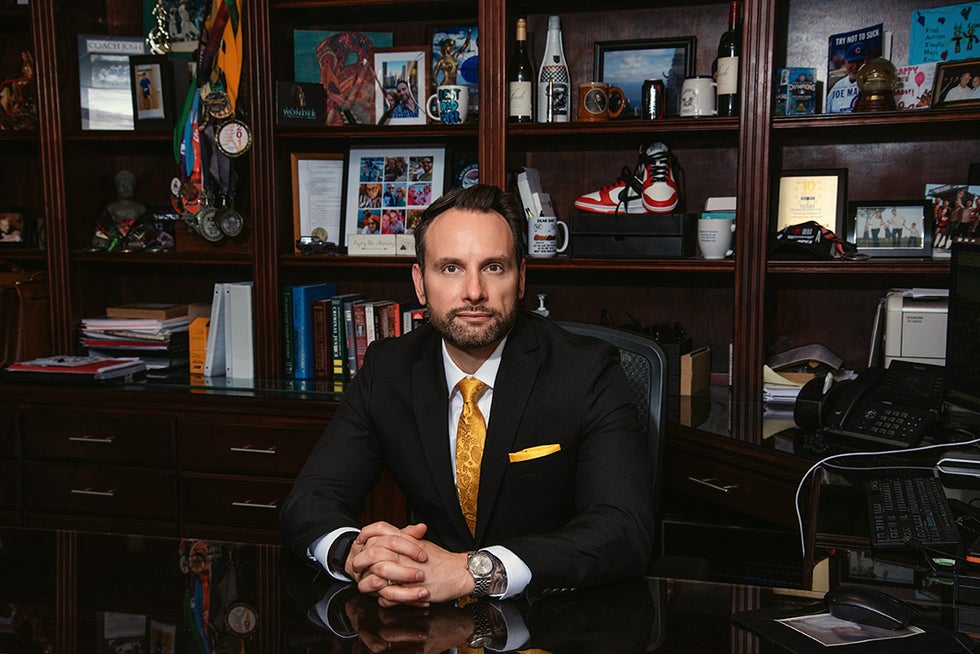
At Hofland & Tomsheck, we specialize in federal criminal defense. Attorney Josh Tomsheck, a nationally Board-Certified Criminal Trial Lawyer and founding attorney of NVFederalDefense.com, has successfully defended clients in some of the most serious and high-profile federal cases in Nevada and surrounding jurisdictions. This page will help you understand each step of the federal criminal process and how we can protect your rights, freedom, and future.
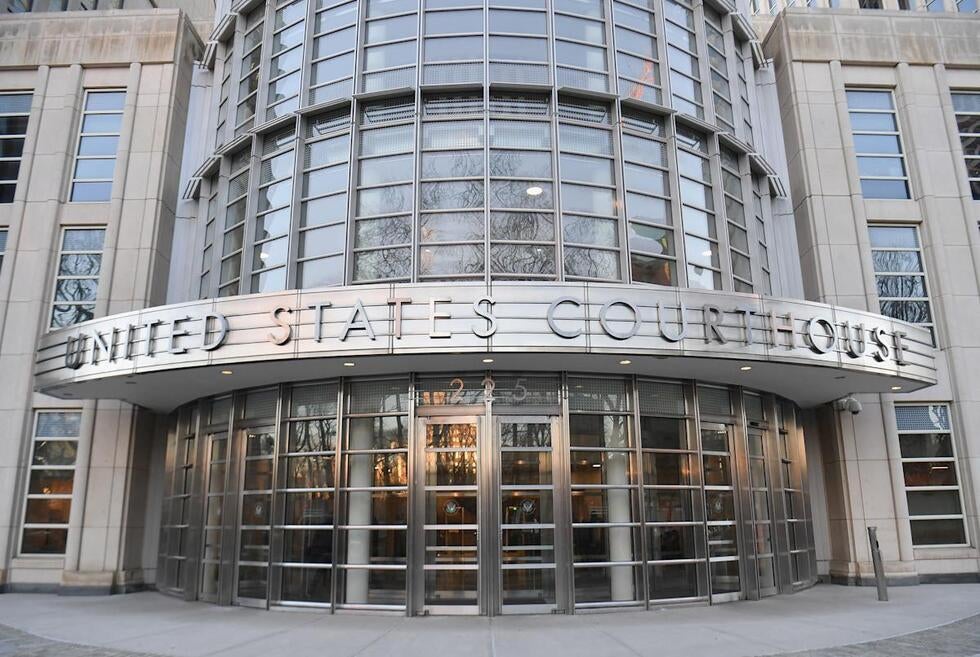
What Makes a Case “Federal”?
Unlike state crimes—which are prosecuted by state or local district attorneys—federal crimes are investigated by federal agencies like the FBI, DEA, ATF, IRS, or Department of Homeland Security, and prosecuted by Assistant U.S. Attorneys in federal court. These cases typically involve:
- Alleged violations of federal law or statutes
- Crimes that occur across state lines or involve interstate commerce
- Offenses committed on federal property
- Large-scale conspiracies or organized criminal activity
- Complex white-collar crimes like fraud, embezzlement, or money laundering
- Drug trafficking, weapons charges, or immigration offenses
Federal convictions almost always carry more severe mandatory minimum sentences and are governed by the Federal Sentencing Guidelines, which require experienced legal navigation.
The Stages of the Federal Criminal Process
Understanding each phase of the process is critical when defending against a federal charge. Below is a breakdown of the key stages:
1. Investigation Stage
Most federal cases begin long before an arrest is made. Federal law enforcement agencies conduct thorough investigations, which may involve:
- Wiretaps and surveillance
- Search warrants and subpoenas
- Interviews with witnesses or targets
- Financial and digital records analysis
- Undercover operations
Often, individuals do not know they are under investigation until agents show up at their home or workplace. In other cases, a target letter is sent, notifying a person that they are being investigated and may be charged.
Why This Matters:
If you've received a target letter, been contacted by federal agents, or believe you are under investigation, call an experienced federal defense attorney immediately. In many cases, Josh Tomsheck has been able to intervene during the investigation phase to prevent charges from ever being filed.
2. Charging and Arrest
Once a federal prosecutor believes there is sufficient evidence, they may seek a grand jury indictment or file a criminal complaint. If indicted, the individual is usually arrested by federal agents or receives a summons to appear in court.
- Indictments are typically sealed until the arrest
- Arrests can happen without warning
- Bail is governed by the federal Bail Reform Act
How We Help:
We act quickly to negotiate surrender (to avoid arrest at home or work), advocate for release conditions, and begin building a comprehensive defense strategy before the government gains a further advantage.
3. Initial Appearance and Detention Hearing
After arrest, the accused appears before a federal magistrate judge, who informs them of the charges and determines whether they will be released or detained.
- Detention hearings are usually held within 3-5 days
- The government may argue for pretrial detention
- We can present arguments for release under strict conditions
Our Role:
Attorney Josh Tomsheck has successfully fought for pretrial release in serious cases involving alleged drug trafficking, white collar crimes, and violent offenses. We prepare persuasive arguments tailored to each client's background and risk profile.
4. Preliminary Hearing and Indictment
If the case began with a complaint (instead of an indictment), a preliminary hearing will be held to determine if probable cause exists to proceed. Most cases, however, are presented to a grand jury, which returns an indictment if the prosecution can demonstrate probable cause.
Once indicted, the case proceeds to the next phases of the process.
5. Arraignment
The arraignment is a formal court proceeding where:
- The charges are read
- The defendant enters a plea
- The court sets future deadlines and hearings
At this point, we begin analyzing the evidence provided through discovery and formulating defense strategies.
6. Discovery and Pre-Trial Motions
In federal cases, discovery involves a massive exchange of evidence, including:
- Police reports and agent notes
- Surveillance video
- Wiretap transcripts
- Lab reports
- Expert witness disclosures
- Giglio and Brady material (evidence favorable to the defense)
Pre-trial motions may include:
- Motion to suppress evidence
- Motion to dismiss indictment
- Motion for severance of co-defendants
- Motion for bill of particulars
Why Expertise Matters:
The federal rules of evidence and criminal procedure are highly complex. Attorney Tomsheck is skilled at using these motions to weaken the government's case, limit what the jury sees, or even get charges dismissed before trial.
7. Plea Negotiations
Most federal cases result in plea agreements, but the terms of those agreements can vary widely. A strong defense can lead to:
- Reduced charges
- Lower sentencing ranges
- Deferred prosecution
- Avoidance of mandatory minimums
We are aggressive negotiators, and we never pressure clients into plea deals that aren't in their best interest. We prepare every case for trial—and the U.S. Attorney's Office knows it.
8. Trial
If no plea is reached, the case proceeds to trial before a federal judge and jury. Trials involve:
- Jury selection
- Opening statements
- Government witnesses and cross-examination
- Defense witnesses
- Closing arguments
- Jury deliberations and verdict
Federal prosecutors are well-resourced and highly experienced. You need an attorney who knows the courtroom, the judges, and federal rules of criminal procedure inside and out.
Josh Tomsheck has successfully defended clients at trial in federal courtrooms in both his home State of Nevada and throughout the United States. He has over 200 jury trials under his belt and is qualified and prepared to handle the most serious criminal offenses in federal jurisdictions.
9. Sentencing
If convicted—or after a plea—sentencing occurs several weeks later. The court will consider:
- The Federal Sentencing Guidelines
- The Presentence Investigation Report (PSR)
- Any mitigating or aggravating factors
- Victim impact statements
We prepare sentencing memoranda, gather mitigating evidence, present character letters, and argue for downward departures and variances to minimize or avoid prison time altogether.
10. Appeal and Post-Conviction Relief
A guilty verdict is not the end. We handle:
- Direct appeals to the U.S. Court of Appeals for the Ninth Circuit
- Post-conviction motions, including Rule 33 and 2255 petitions
- Sentence reductions under First Step Act or compassionate release
Attorney Tomsheck and our appellate team have successfully overturned convictions, won new sentencing hearings, and secured full exonerations in post-conviction proceedings.
Why Choose Hofland & Tomsheck for Your Federal Criminal Defense?
The federal government prosecutes cases with the full weight of its resources, from FBI agents to seasoned federal prosecutors. You cannot afford to go through this process with an inexperienced lawyer.
Attorney Josh Tomsheck is:
- A Nationally Board-Certified Criminal Trial Attorney
- A former Chief Deputy District Attorney
- A skilled federal litigator with experience in complex federal criminal cases
- A Life Member of the National Association of Criminal Defense Lawyers
- Trusted in Federal Courts across the United States such as Nevada, California, Arizona, Utah, Colorado, Nebraska and Texas
Whether you are under investigation or already indicted, we can protect your rights and fight for your future—before, during, and after trial.
Contact Josh Tomsheck at NVFederalDefense.com Today
If you are facing federal charges or believe you're being investigated, do not wait. Early intervention by an experienced federal criminal defense attorney can make all the difference in your case.
📞 Call Hofland & Tomsheck at (702) 895-6760
📍 Visit us at 228 S. 4th Street, 1st Floor, Las Vegas, NV 89101
🔒 Your freedom is too important to leave to chance.

